:format(webp))
Preparing for the Evaluation Meetings with Your Coaches
Throughout the season, an athletic administrator observes practice sessions and games of the coaching staff. Also, the administrator monitors, counsels and guides the coaches with respect to all of their responsibilities and duties, and takes all of these aspects into consideration while completing the school’s standard evaluation form for each coach. In addition, an athletic administrator writes a narrative section to support and provide detail to the individual Likert Scale ratings on the form.
Example of a Likert Scale Rating Form:
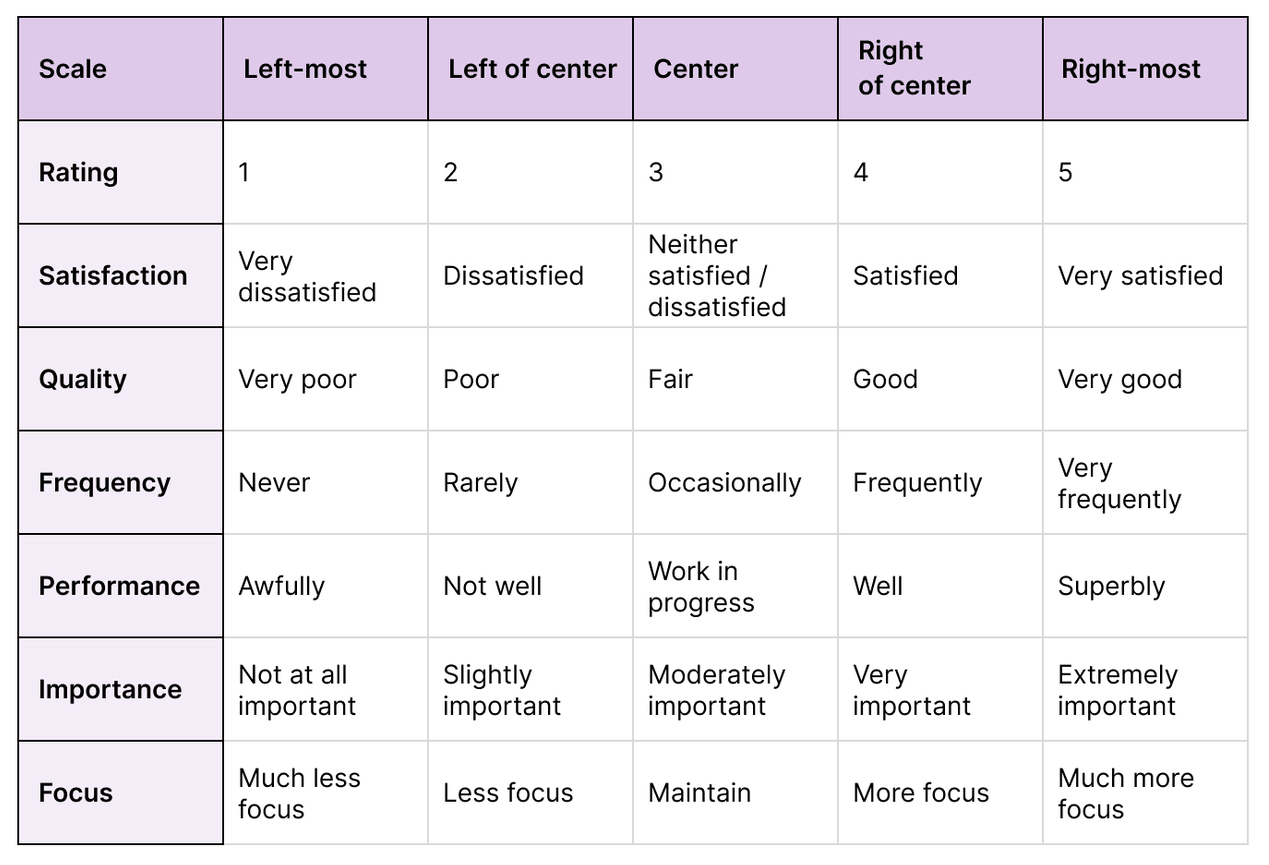
After completing individual evaluations and providing each coach with a copy, it is time to schedule a meeting to discuss the seasonal appraisal. In order to make these sessions more effective, the following steps and considerations should help.
• Photocopy any concrete or illustrative documents or materials to support critical points on the evaluation – both positive and those in need of improvement – to share with each coach. Always make a copy for the coach, and protect the original and keep it safely on file.
• Carefully prepare a script or outline of the items that should or need to be discussed. This step helps to eliminate a coach from going off on a tangent, or trying to change or spin the conversation. You should have definitive goals for your meeting, and you need to stay on task.
• Invite a third party, such as an assistant principal, to join any meeting that you anticipate being contentious. Often, the mere presence of this individual will help to maintain proper decorum. Also, this administrator can confirm what was discussed and it would be wise for that person to write a synopsis to keep on file.
• Try to use a two-to-one or a three-to-one ratio of positive aspects that you mention with those who may need improvement. This is important so that the discussion is not viewed as adversarial or punitive in nature. The ultimate goal is for the coach to be receptive to the overall objective that this session is designed to help the coach to continually grow and improve in order to meet the needs of your student-athletes.
• Do your best to answer any questions that a coach may have in a straightforward manner. However, also keep your responses concise and to the point. Don’t offer more than is needed, because an extraneous comment may lead to additional questions that are not pertinent to the overall objective of the post-season evaluation session.
• Jot down the questions that the coach asks and summarize your answers at the conclusion of the meeting. Beyond your script, illustrative documents and pertinent materials, this step will provide documentation of everything that was covered. Should there be repeated, future problems, these supportive comments can be extremely helpful.
• Prepare an improvement action plan to cover items that have been identified as needing improvement. In this document, it is vital that you are very specific with respect to what needs to be done, when it has to be completed, and what documentation is required to show its completion. The specific, concrete recommendations could include the completion of NFHS courses, college courses which could also involve non-credit personal growth courses offered at community colleges, instructional sessions with coaches who excel with specific aspects of coaching, and many other options – some of which could be creative.
• Always end the individual sessions by thanking the coach for helping the team’s student-athletes. Also add that you look forward to working with them as they continue their journey to become the best professional that they can be. It is vital to conclude by being as positive, supportive and nurturing as possible. Let each coach know that you are supportive (assuming that the coach does complete an improvement action plan). To conduct good, productive post-season evaluation meetings takes time, effort and preparation. To offer the best possible environment and opportunities for your student-athletes, these sessions are critically important to ensure that the coaching staff continues to grow, develop and improve.
Related Stories
:format(webp))
:format(webp))
:format(webp))
:format(webp))
:format(webp))
:format(webp))
:format(webp))